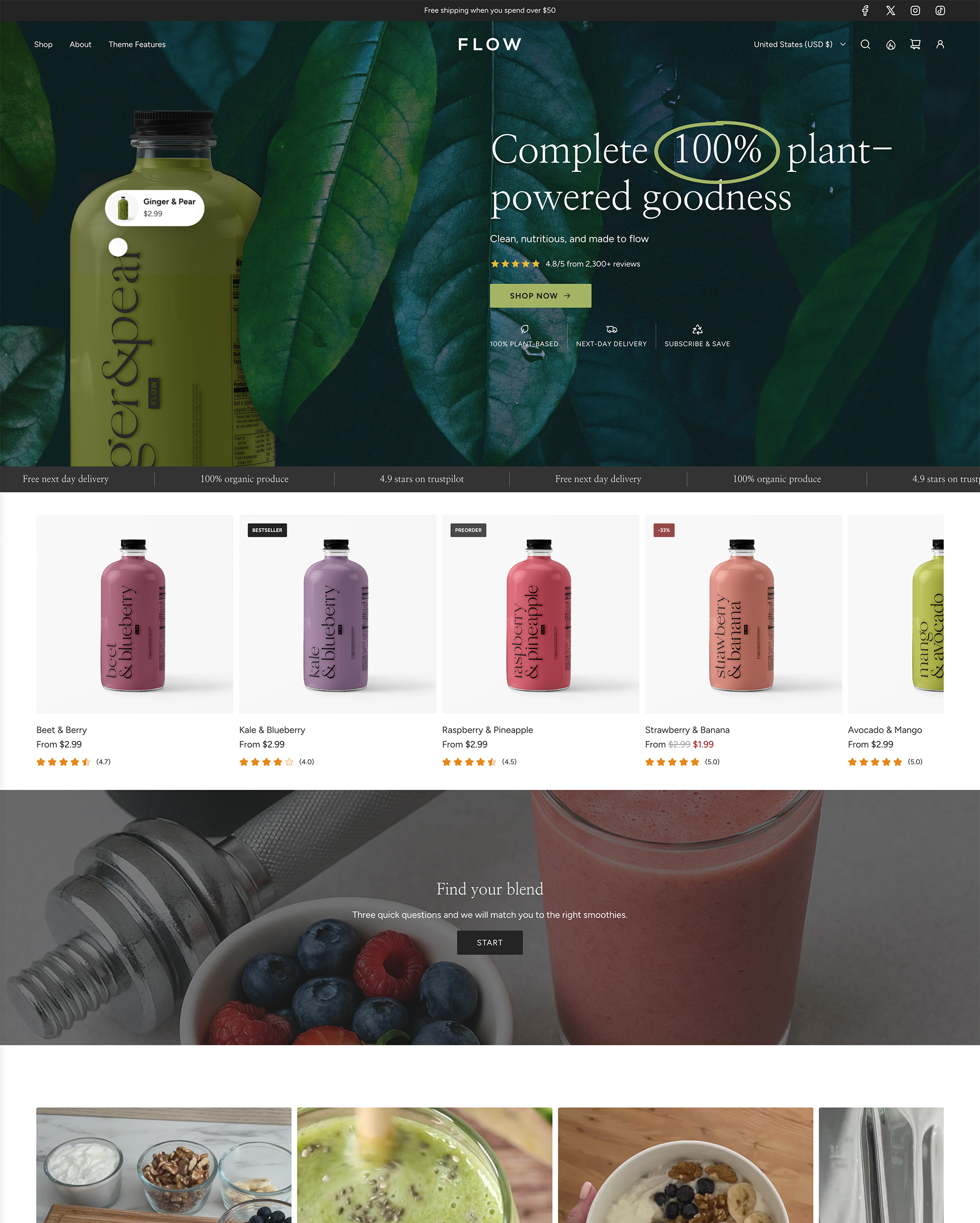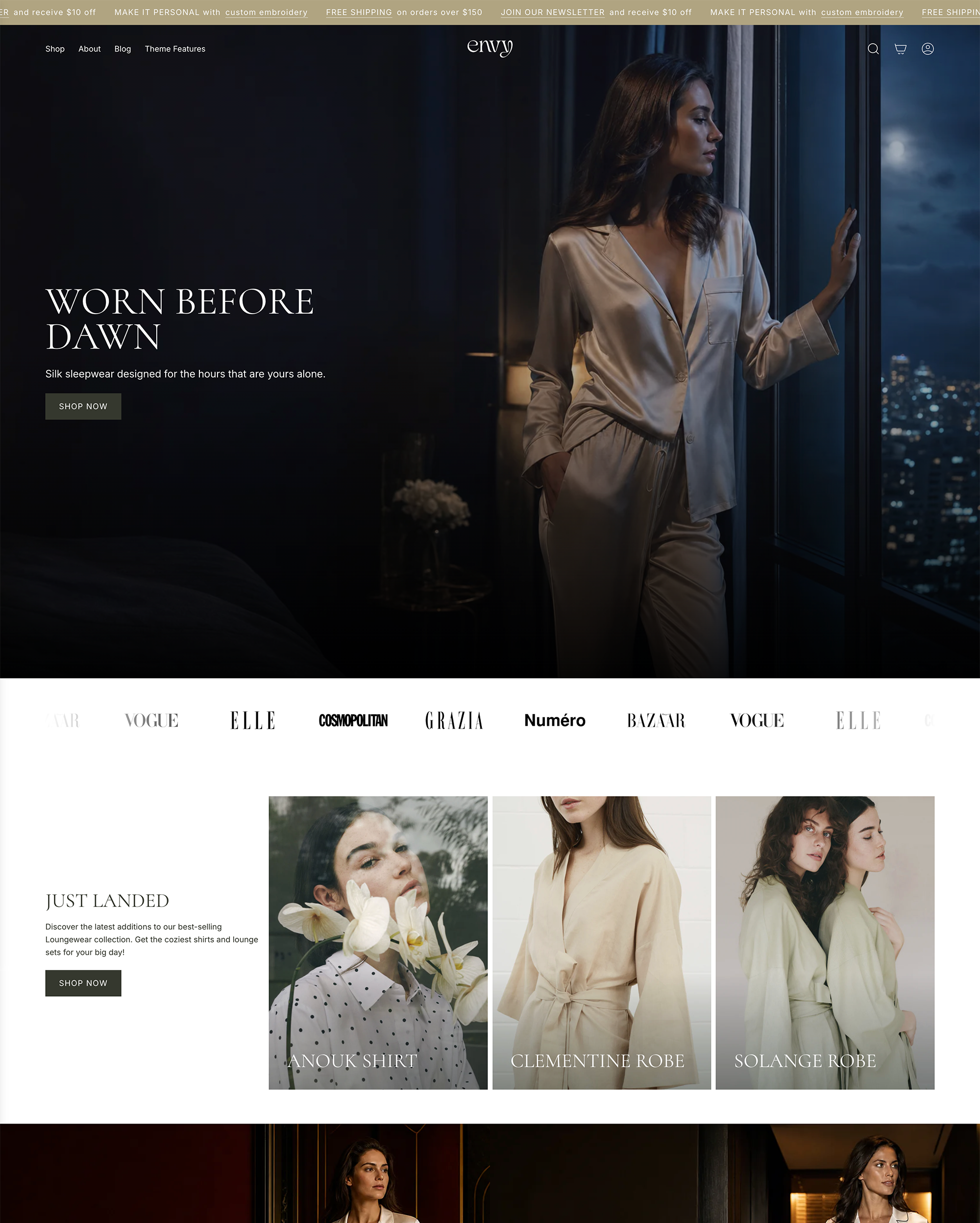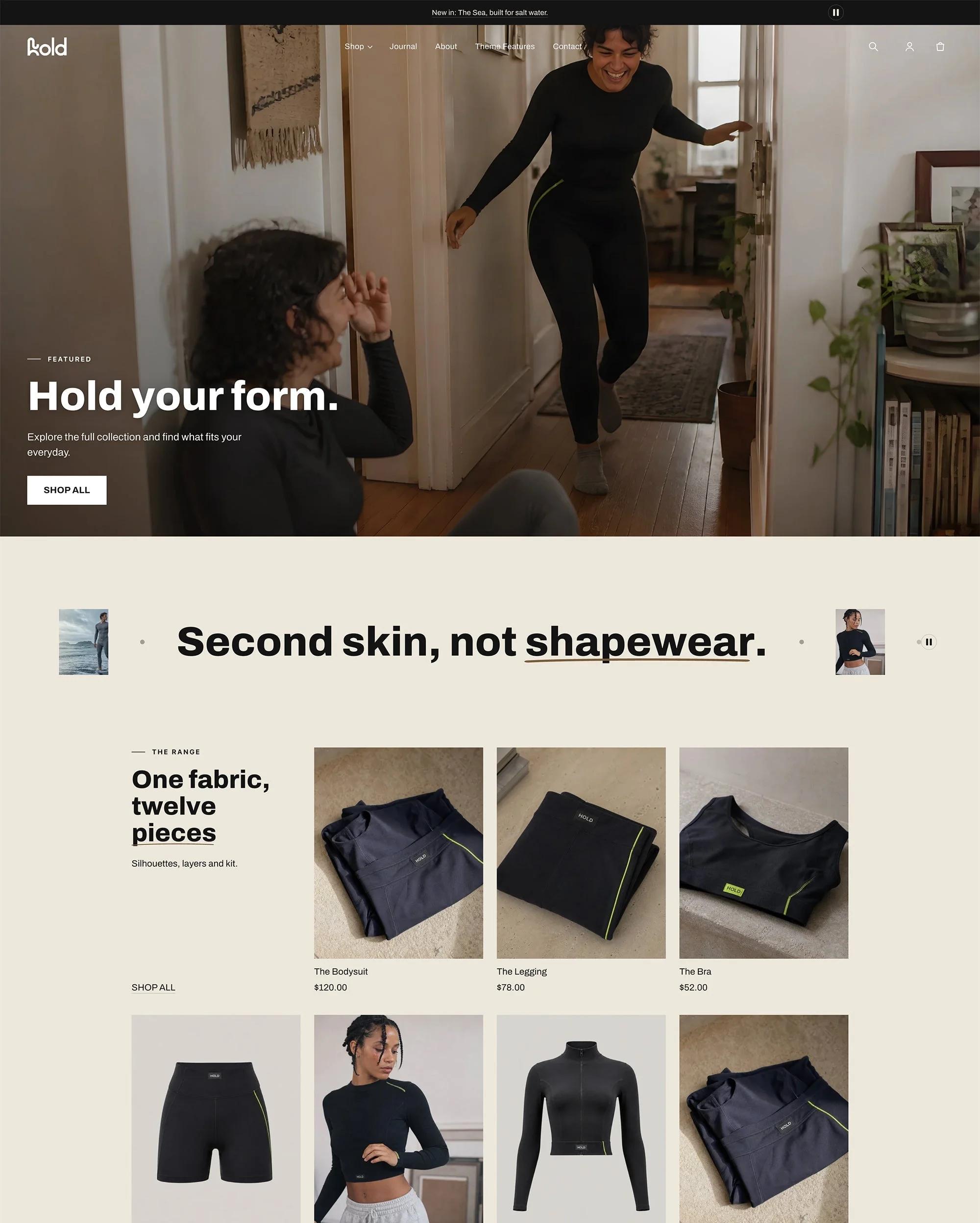

A product photograph is an answer. Before anyone buys, they want to know what it looks like, how big it is, what it is made of, what it looks like in life and what will arrive. Five photographs cover that. Fifteen atmospheric ones often cover none of it.
The front, on a plain background
The whole product, square on, nothing else in the frame. This is the photograph that appears in the grid, in search results and in the cart, so it has to work at two hundred pixels wide. Consistent lighting and the same background across the catalogue are what make a store look like one brand rather than a marketplace.
Scale
In a hand, on a table, beside something everyone knows the size of. Returns come from surprises, and size is the surprise people mention most.
The detail that justifies the price
The stitching, the label, the texture, the mechanism. Close enough that the material is unmistakable. If your product costs more than its category, this is the photograph that explains why.
Shoot the answers to questions, not moods.
In use
Worn, poured, plugged in, on the shelf it is meant for. One lifestyle photograph tells the customer what their life looks like with the product in it. One is enough; the third lifestyle shot is the one that gets skipped.
What arrives
The box, the contents, the accessories laid out. It sets expectations for delivery day and quietly removes "does it come with…?" from your support inbox.
Then stop
Five photographs, in this order, on every product. The consistency is the point: a customer who has looked at one product knows how to read all the others.
Five useful photographs beat fifteen atmospheric ones.