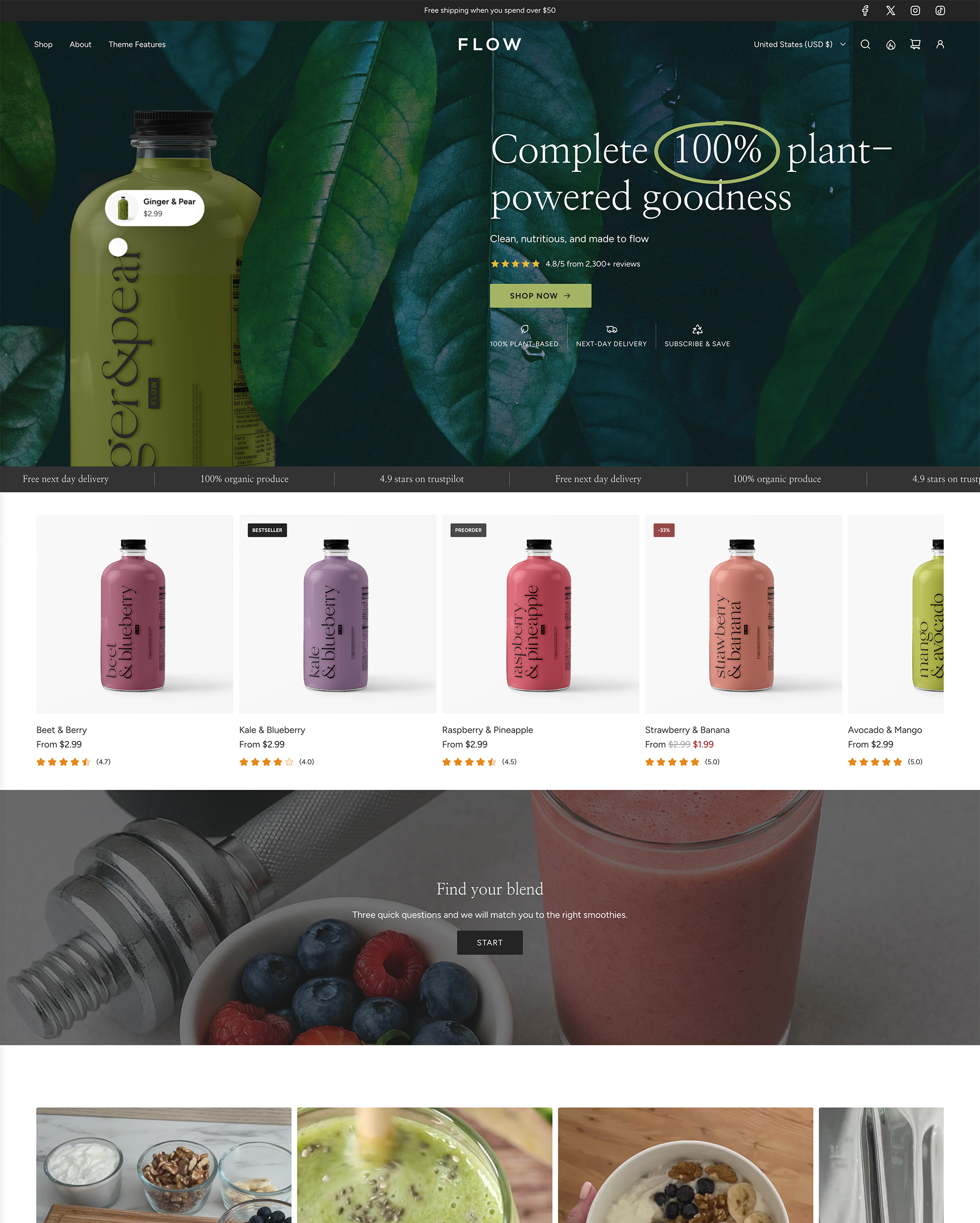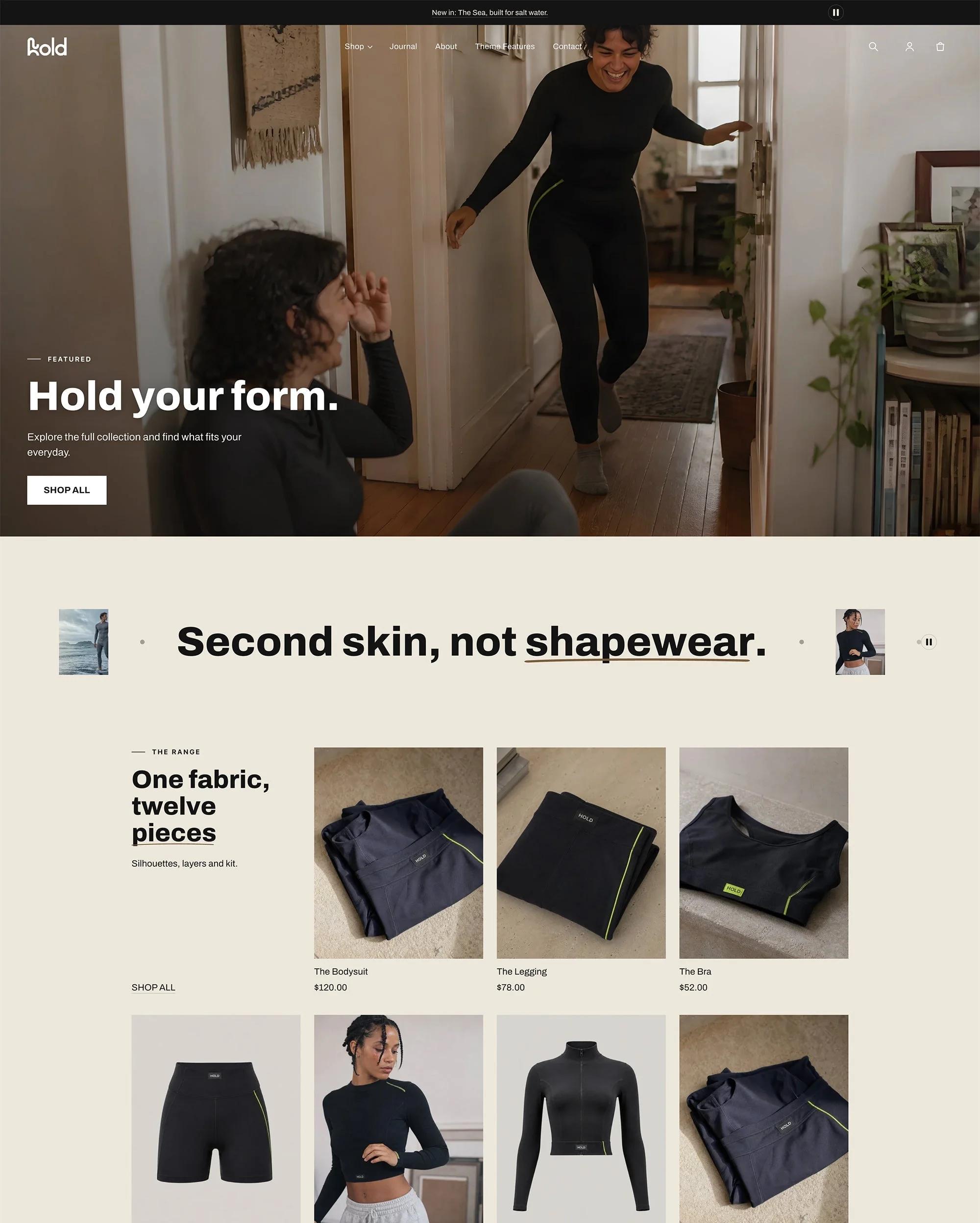

Stores do not get slow by accident. They get slow one decision at a time: a second typeface, a hero video, an app for a feature the theme almost had, a photograph uploaded straight from the camera. Every one of those was a design choice. Speed is the sum of them, which makes it a design responsibility, not something to hand to a developer at the end.
Weigh the decisions, not the score
A performance score is a symptom. The causes are on your design list: how many typefaces load, how large the first image is, how many scripts arrive before the product appears. Cut at the source and the score follows.
Fonts
One typeface, two weights at most, served from your own domain. Four weights of a display face loaded for one headline is the most common avoidable weight in a store.
Images
Size every image for the slot it fills. A hero that displays at 1,400 pixels wide does not need a 5,000-pixel file. Modern formats, sensible compression, lazy loading below the fold. None of this is technical. It is choosing not to be careless.
A slow store is a design flaw, whoever gets asked to fix it.
Apps
Every app adds a script to every page, whether or not the page uses it. Before installing one, ask whether the theme can do most of it with a setting. Before keeping one, check whether anyone still uses it. Three removed apps often do more for speed than any optimisation.
Test where your customers are
Open the store on a mid-range phone, on mobile data, outside. That is the store most people see. If the product photograph takes longer to appear than it takes to read the title, the design has failed before it has been seen.
Every second of load time was designed in. It can be designed out.